INTRODUCTION
The end of the cold war, the collapse of the Soviet Union and the end of the bipolar system of the world politics in 1990 has caused controversy in the international system and foreign policy analysis. To overcome this kind of chaos in foreign policy, states tried to reshape and redirect their foreign policies, because foreign policy is not something static, It can carry changes in order to achieve its objectives. For many years Turkey’s foreign policy was western oriented; to join EU, NATO and to become ally to US, because the main objective of founding fathers of Turkey was to create nation-state based on western model, due to external and domestic forces Turkey’s foreign policy shifted its course from monolithic western orientation during the cold war era, to multi-regional connections since 1990s (Ozkan and Akgun, 2010).
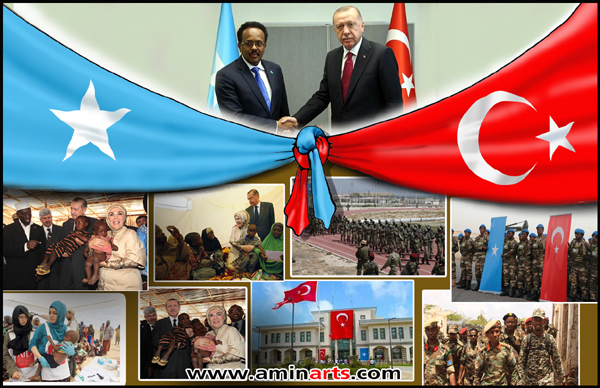
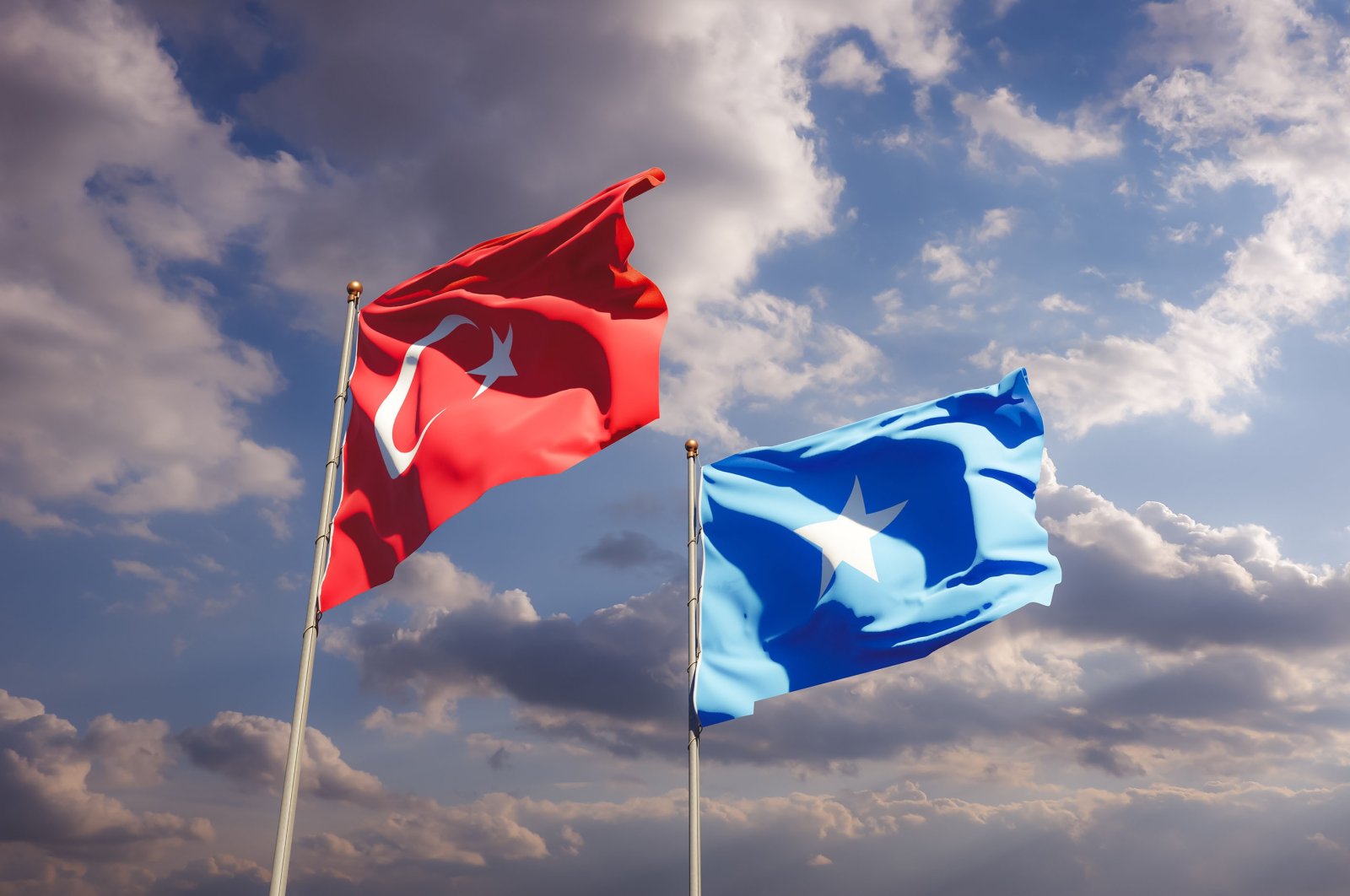
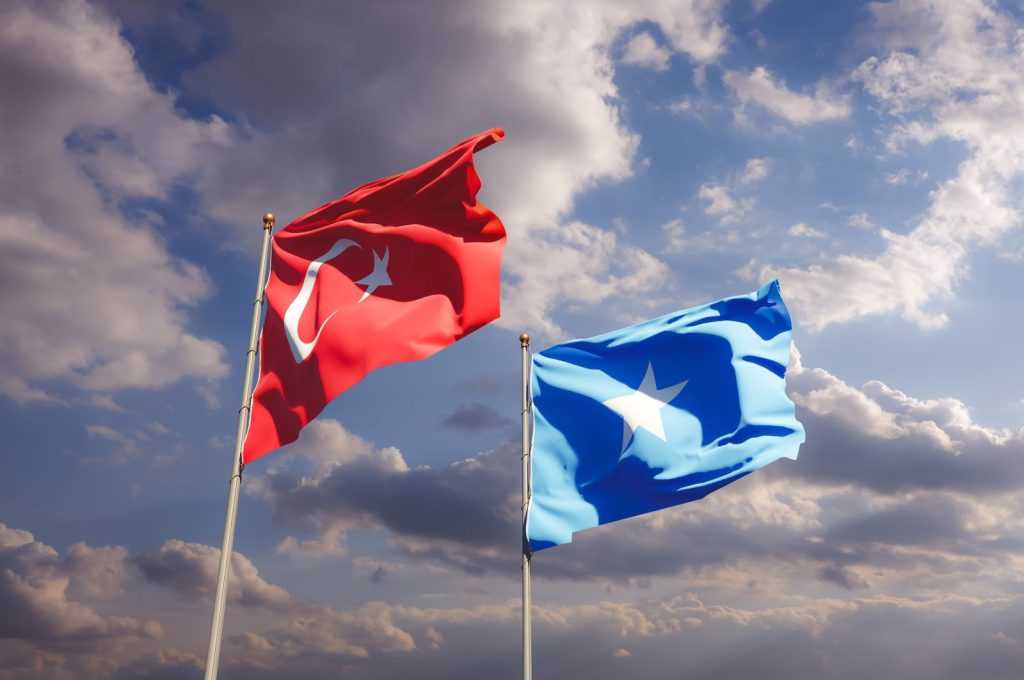
After the collapse of Soviet Union, as other countries, Turkey has developed economic, strategic and political relation with its neighboring countries in the Balkans, Caucasian, and the middle East. However, Africa was the most neglected region in Turkish foreign policy history, until the adoption of the ‘Africa Action Plan’ in 1998 and later on 2005 ‘the year of Africa’ policy in Turkish foreign policy. Nevertheless, Davutoglu discovered ‘Afro-Eurasia’ as the new geopolitical framework for Turkish foreign Policy and argued that Turkey is a central country that has multiple regional identities because its a bridge that connects east and west. for that reasons Turkey can be defined central country (Davutoglu, 2008). Turkey’s opening up foreign policy in Somalia can be understood in the context of its broader strategy to expand its relations and influence with the African continent, the AK Party government has taken important steps to increase its political and diplomatic relations with Somalia in the direction of the 1998 African Action Plan because at that time Turkish foreign policy makers have begun to develop new strategies that shifted
from a one-sided foreign policy to a multi-faceted foreign policy. However, there are two main arguments of Turkey’s engagement in Somalia. First, is the question of history, Many scholars argued that Turkish engagement in Somalia can be seen as the revival of history or Neo-Ottomanism, most of these authors are non Turkish, they argued that Somalis are Muslims, for that reasons Turkey’s engagement in Somalia has come due to their historical relations in 15th and 19th centuries.